
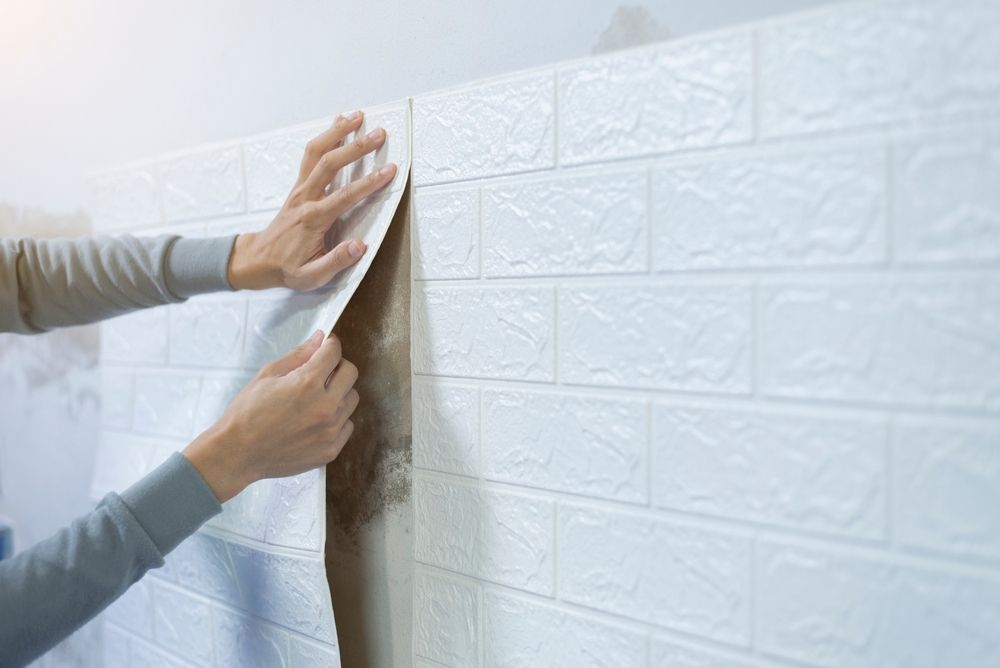
Wallcovering Installation and Removal in Stanton, MI
Wallcovering in Stanton, MI homes and businesses has to handle more than style. Mid-Michigan's humid summers and dry, heated winters cause walls to move slightly throughout the year, and a wallcovering that was hung over poorly prepared drywall will lift at the seams, bubble, or show every flaw underneath. Renovations Done Wright LLC
installs and removes wallcovering with careful wall preparation, correct adhesive selection, and precise pattern matching so the finished surface looks seamless and stays put. From a single accent wall to full rooms of wallpaper, our wallcovering work is built around the condition of your walls and how the space is used.
Schedule Your Wallcovering Estimate in Stanton, MI With Renovations Done Wright LLC
Types of Wallcovering We Install
Different wallcovering materials behave differently during installation and over time. Choosing the right wallcovering for the room is the first step toward a result that lasts.
Traditional Paper Wallcovering
Paper wallcovering offers rich patterns and colors but is more delicate than other options. It works best in dining rooms, bedrooms, and living spaces with low moisture and light wear.
Vinyl and Vinyl-Coated Wallcovering
Vinyl wallcovering resists moisture and can be wiped clean, making it a practical choice for kitchens, bathrooms, mudrooms, and hallways. Commercial-grade vinyl wallcovering is also common in offices and retail spaces where walls take regular contact.
Grasscloth and Natural Fiber Wallcovering
Grasscloth, sisal, and other natural fiber wallcovering add texture and depth to a room. These materials require careful handling because seams are visible by nature and the fibers can stain if adhesive gets on the face.
Peel-and-Stick and Prepasted Wallcovering
Prepasted and peel-and-stick wallcovering can be a good fit for rentals or temporary updates. Proper wall prep still matters, since these products adhere poorly to textured, dusty, or glossy surfaces.
Wall Preparation Before Wallcovering Installation
Wallcovering shows everything beneath it, so wall preparation is where most of the quality comes from.
Repairing Drywall and Plaster
Holes, dents, cracks, and nail pops are repaired and sanded smooth before any wallcovering is hung. Textured walls may need skim coating to create a flat surface that allows the wallcovering to lie evenly.
Priming With a Wallcovering Primer
A dedicated wallcovering primer seals the wall, helps the adhesive grab, and makes future removal far easier. Skipping this step is one of the main reasons wallcovering becomes difficult to remove years later.
Planning Layout and Pattern Match
Before cutting, the layout is planned so seams fall in the least noticeable spots and patterns line up across corners, windows, and doorways. Straight, drop, and random match patterns each require a different approach to hanging.
Wallcovering Removal Services
Many older homes in the Stanton area still have layers of wallpaper from past decades. Removing wallcovering the wrong way can tear the drywall face paper and create more repair work than the original project.
Scoring, Steaming, and Stripping
Wallcovering removal usually involves scoring the surface, applying a removal solution or steam, and carefully lifting the paper and backing. Multiple layers are taken down one at a time to protect the wall underneath.
Cleaning Adhesive Residue
Leftover wallpaper paste must be fully washed from the wall. Paint or new wallcovering applied over residue can crack, peel, or develop a wrinkled look.
Repairing Walls After Removal
Once wallcovering is removed, any damaged drywall paper is sealed with a shellac-based or oil-based primer before patching. This prevents bubbling when the wall is later painted or recovered.
Wallcovering for Moisture-Prone Rooms in Michigan Homes
Bathrooms, laundry rooms, and basements in Mid-Michigan often deal with humidity, condensation, and seasonal dampness. Wallcovering in these spaces needs special attention.
Choosing Moisture-Resistant Materials
Vinyl and solid vinyl wallcovering handle moisture better than paper or natural fibers. Mildew-resistant adhesives add another layer of protection in bathrooms and lower levels.
Ventilation and Seam Protection
Good ventilation helps wallcovering last longer in humid rooms. Tight, well-rolled seams keep moisture from getting behind the material and loosening the adhesive.
Accent Walls and Commercial Wallcovering in Stanton
Wallcovering is not limited to full rooms. Many homeowners and business owners in Stanton and surrounding Montcalm County communities use it to define a single area.
Residential Accent Walls
A feature wall behind a bed, fireplace, or dining table adds visual interest without covering an entire room. Accent wall wallcovering is also a manageable way to try a bold pattern.
Offices and Retail Spaces
Commercial wallcovering holds up to foot traffic, furniture contact, and frequent cleaning. Installation can be scheduled around business hours to limit disruption.
Request a Wallcovering Quote From Renovations Done Wright LLC
in Stanton, MI
Frequently Asked Questions About Wallcovering in Stanton, MI
What is the difference between wallcovering and wallpaper?
Wallpaper is one type of wallcovering. Wallcovering is the broader term that includes paper, vinyl, fabric, grasscloth, and other materials applied to walls with adhesive.
How much does wallcovering installation cost in Stanton, MI?
Wallcovering installation cost depends on the room size, the material, the pattern repeat, and how much wall preparation is needed. Grasscloth and large-repeat patterns take more time and material than simple vinyl. An on-site estimate gives the most accurate price.
Can wallcovering be installed over textured walls?
Wallcovering can be installed over light texture in some cases, but heavy texture will show through. Skim coating the wall smooth before installation gives the best result.
Can you hang new wallpaper over old wallpaper?
Installing new wallcovering over old wallpaper is not recommended. The old layer can loosen from moisture in the new adhesive, causing both layers to bubble or peel.
How long does wallcovering last?
Quality wallcovering that is properly installed can last 15 years or more. Vinyl wallcovering in low-traffic areas often lasts even longer.
Is wallcovering a good choice for bathrooms?
Vinyl wallcovering is a good choice for bathrooms when the room has adequate ventilation. Paper and natural fiber wallcovering are better suited to powder rooms without showers.
How long does wallpaper removal take?
Removing wallcovering from an average room typically takes one to two days, depending on the number of layers, the type of adhesive, and whether the wall was primed before the original installation.
Why is my wallpaper peeling at the seams?
Peeling seams usually result from insufficient adhesive, poor wall preparation, or moisture getting behind the wallcovering. Seams can often be reglued if the material itself is still in good condition.
Do walls need to be primed before wallcovering?
Walls should be primed with a wallcovering-specific primer before installation. It improves adhesion, allows repositioning during installation, and makes future removal much easier.
Can you paint over wallcovering?
Painting over wallcovering is possible with proper priming, but seams and texture may still show. Removing the wallcovering usually produces a cleaner, longer-lasting paint finish.
How much extra wallcovering should I order?
Ordering 10 to 15 percent extra wallcovering covers pattern matching and waste. Larger pattern repeats may require more, and extra rolls from the same batch are useful for future repairs.